


In response to this disconnection, I attempt a different kind of decomposition through urushi. By applying lacquer to discarded vessels, I dismantle the label of “waste” and return them to society as objects of value. Here, what is decomposed is not material, but perception.
Urushi, a material that resists decomposition, allows the object to endure over time, transforming it irreversibly from “waste” into something meant to be used again. Rather than breaking things down, decomposition occurs through preservation.
This is not repair or decoration, but an intervention into human judgment—an attempt to restore circulation within society.
We make decisions every day that something no longer has value, and we let it go. But what is truly discarded is not the object itself, but the human judgment placed upon it. In nature, decomposers break down organic matter and return it to the soil as nutrients, sustaining a continuous cycle. In contrast, within human society, once something is labeled as “unnecessary,” it is cut off from circulation.
02 - How to decompose using twofold
At twofold, we attempt a different kind of decomposition using "lacquer" to address this disconnection. By applying lacquer to discarded artifacts, we break down the concept of "garbage" and return them to society. Through the permanent preservation method of lacquer, objects are transformed into things that can be used for a long time. Decomposition occurs not by destroying, but by permanence. This act is not restoration, but an attempt to intervene in human value judgments and create a new cycle.

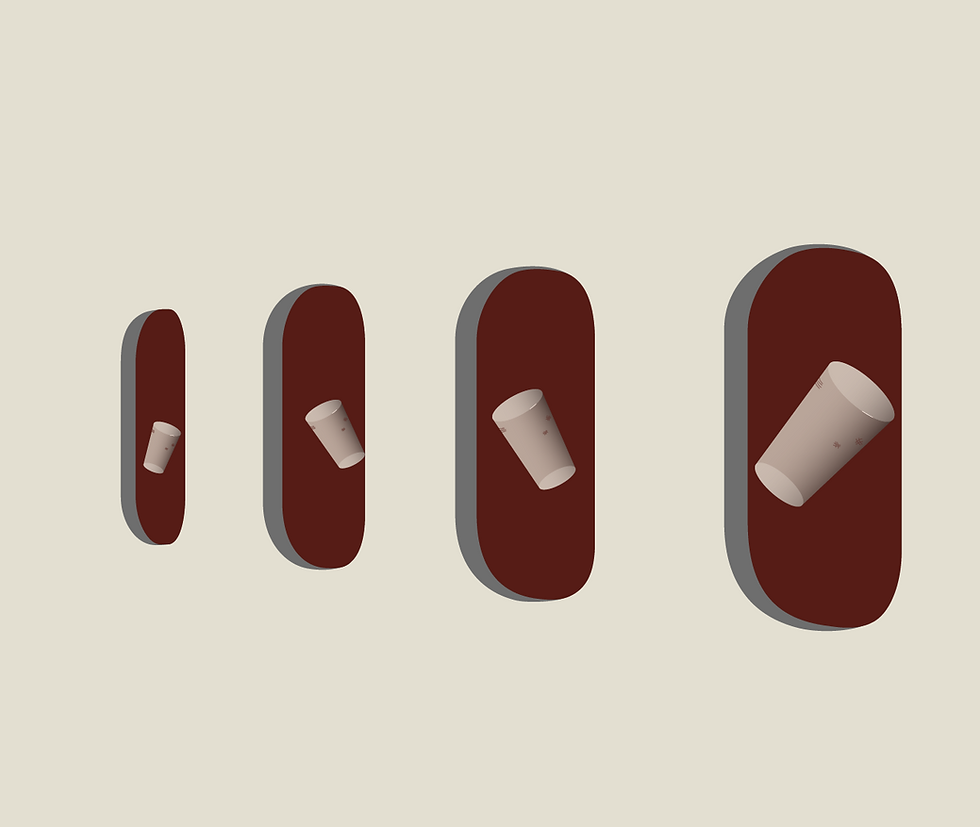
01 - Purpose of the activity. Regarding the interpretation of "decomposition".
Every day, we judge things as "no longer worth anything" and discard them. However, discarded objects don't sever their own value; their value is determined by external factors—the standards of human judgment regarding those objects. In nature, decomposers break down organic matter and return it to the soil as nutrients, maintaining a cycle. But in human society, the moment something is deemed "unnecessary," it is cut off from that cycle.
Purpose


